

Many HOA boards in Santa Clara County discover during insurance claims that their coverage falls short of actual community needs. Gaps in liability limits, property protection, and special assessment coverage can leave your association financially exposed.
We at Pratt & Associates have seen firsthand how inadequate policies create problems when communities need them most. This guide walks you through identifying weaknesses in your current coverage and taking concrete steps to strengthen your protection.
Where Your HOA’s Insurance Coverage Actually Falls Short
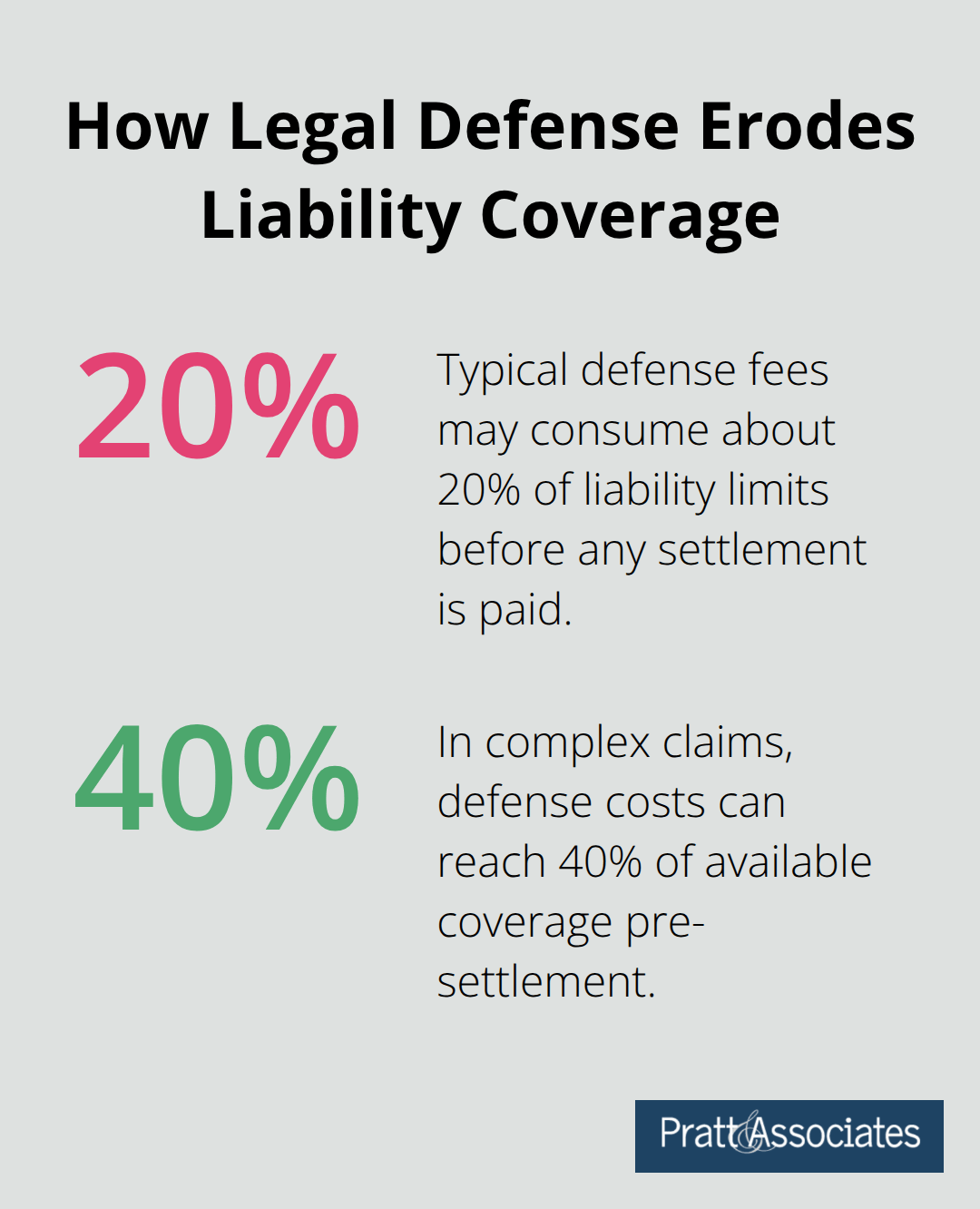
Most HOA boards in Santa Clara County carry liability limits set five or ten years ago, never adjusting them as property values climbed or community risks shifted. A standard general liability policy might cap coverage at $1 million or $2 million, but when a visitor suffers a serious injury on common grounds or a major structural failure damages multiple units, those limits evaporate fast. Legal defense costs alone consume 20 to 40 percent of your liability coverage before any settlement is paid. Property damage protection shows similar weaknesses.
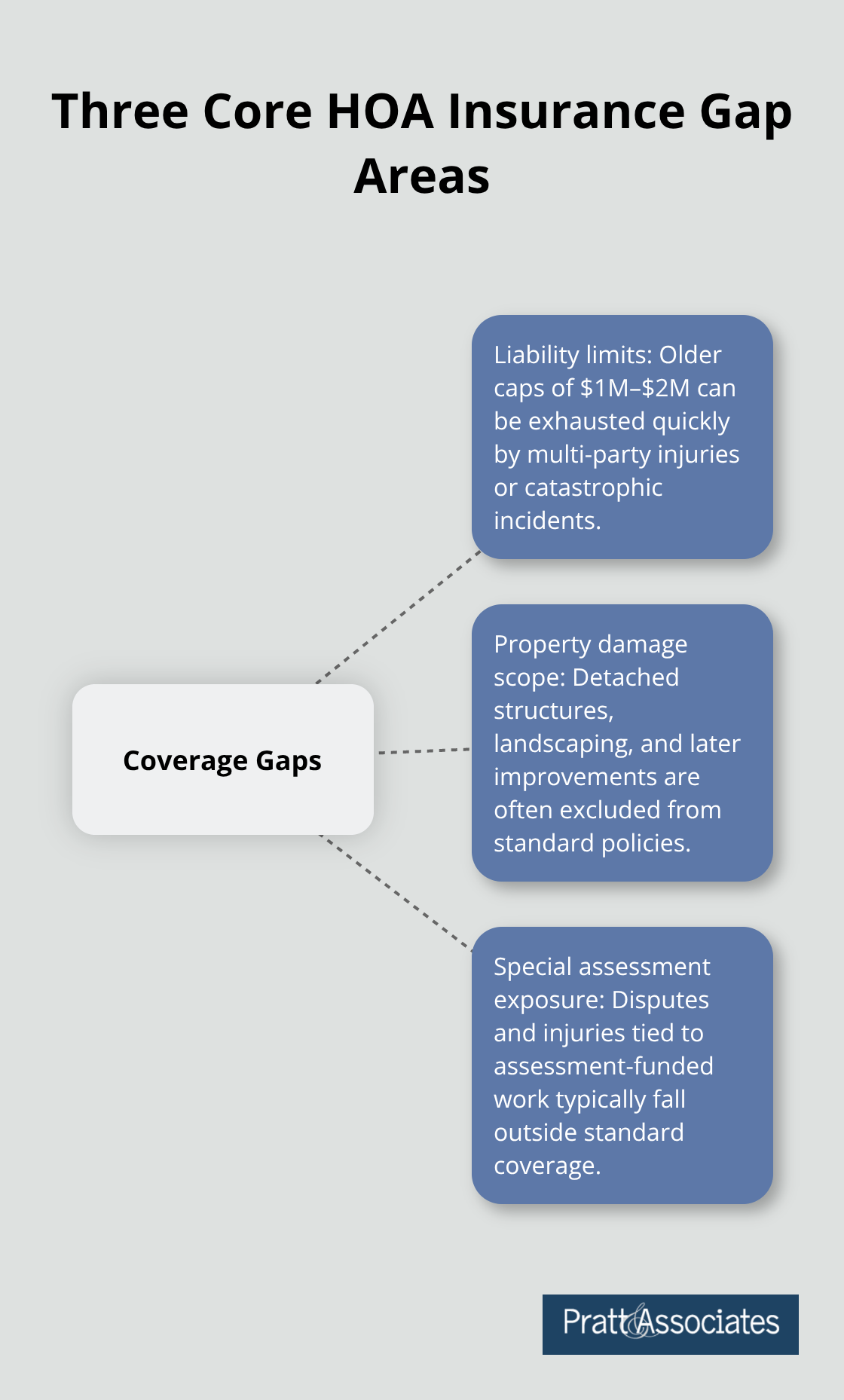
Many policies cover the main structures but exclude detached amenities, landscaping, or improvements residents have made to common areas. If a wildfire sweeps through Santa Clara County and damages both the main building and a community pool house, your coverage might only reimburse half the loss. Special assessments create another blind spot that catches boards off guard. When a major roof replacement or foundation repair is needed and reserves fall short, HOAs typically levy special assessments on residents. Yet most standard policies do not cover the liability exposure created when residents dispute the assessment or when the work itself causes injury or property damage to third parties. Misalignment between what your policy says and what your community actually needs can create gaps that nobody catches until a claim is filed.
Liability limits lag behind real exposure
General liability coverage of $1 million to $2 million sounds substantial until you face a lawsuit involving multiple injured parties or catastrophic damage. Communities in Santa Clara County with aging infrastructure, pools, playgrounds, or sports courts face higher injury risk than those with minimal common areas. A slip-and-fall claim resulting in permanent disability can easily exceed $500,000 in damages, and if two or three such incidents occur in one year, your annual limit gets exhausted. Your policy must clearly define what assets are insured and at what replacement value. Many boards find their coverage limits were calculated based on outdated property assessments.
Property damage gaps leave communities vulnerable
Standard policies frequently exclude coverage for detached structures, landscaping damage, or improvements made to common areas after the policy was written. If a severe storm damages both the main clubhouse and guest parking structures, coverage might apply only to the primary building. Liability for injuries and damages underscores why you need appropriate coverage for accidents in common areas and during maintenance work. Without explicit coverage for the full scope of your community’s physical assets, you face out-of-pocket costs that deplete reserves and trigger special assessments anyway.
Special assessment liability creates hidden exposure
When reserves run short and boards levy special assessments, residents often challenge the decision or dispute the work quality. Your standard policy typically does not cover liability claims that arise from the assessment process itself or from injuries that occur during the contracted work. This gap means your community absorbs legal costs and damages that should have been insured. Identifying these three areas-liability limits, property damage scope, and special assessment exposure-forms the foundation for evaluating whether your current policy actually protects your community. The next section walks you through how to review your existing coverage and spot weaknesses before they become expensive problems.
Evaluating Your HOA Insurance Against What You Actually Need
Start by pulling out your current policy and comparing the liability limits stated in your declarations page against what your community faces. Most HOA boards in Santa Clara County operate with general liability caps of $1 million to $2 million, but this baseline rarely accounts for the actual exposure your association carries. If your community has a pool, playground, or fitness center, injury claims can quickly spiral beyond $500,000. A single catastrophic incident involving multiple residents or visitors can exhaust your annual limit entirely.
Open your policy and locate three specific numbers: your per-occurrence limit, your aggregate limit, and your deductible. Write them down. Then ask yourself whether these numbers would cover a lawsuit involving two serious injuries at your community pool, plus legal defense costs running $100,000 to $150,000. Most boards realize their limits fall short once they do this math.
What Your Policy Documents Actually Say
Insurance policies use specific language that creates coverage boundaries most boards don’t understand until claims arise. Your general liability policy almost certainly excludes coverage for professional services, meaning if your property manager makes a negligent decision that harms a resident, that claim falls outside your coverage. Similarly, your property policy likely excludes coverage for improvements residents make to their individual units, even if those improvements affect common areas.
Special assessment liability represents the most dangerous blind spot. When your board levies an assessment for major repairs and a resident sues over the decision or the quality of the work, your standard policy does not cover that dispute. Request a written summary from your broker that translates policy language into plain English, highlighting what is covered and what is not. This summary should include specific exclusions related to professional liability, employment practices, and assessment-related claims. Most boards have never received this document, which means they operate with incomplete knowledge of their actual protection.
Property Coverage Demands Equal Scrutiny
Your policy should explicitly list every structure your association owns or maintains: the main building, clubhouse, guest parking structures, pool house, equipment sheds, and any other detached buildings. Many policies written five or ten years ago miss structures added later or fail to specify replacement cost versus actual cash value.
If your community replaces a roof or repairs foundation damage, does your policy cover that work at today’s construction costs, or does it reimburse based on depreciated value? The difference can be tens of thousands of dollars. Request a current property assessment from your insurance broker and compare it against the replacement cost of your community’s actual structures. This comparison reveals whether your coverage matches your actual exposure.
Benchmarking Against Comparable Communities
Communities in Santa Clara County with similar size, age, and amenities typically maintain liability limits between $2 million and $5 million, with property coverage at full replacement cost. If your community is older than twenty years, carries a pool, or sits in a flood zone, your limits should trend toward the higher end. Request your broker provide anonymized comparisons showing what comparable associations in your county maintain as coverage levels.
This data point matters more than generic industry standards because it reflects the actual risk profile communities near you face. Additionally, ask your broker whether your community qualifies for any discounts based on risk management practices like regular safety inspections, updated reserve studies, or documented maintenance records. Communities that can demonstrate proactive risk management often receive 10 to 15 percent premium reductions. Your current premium reflects the coverage level your board selected years ago; it does not reflect whether that coverage remains adequate today. Once you understand what your policy actually covers and how your limits compare to similar communities, you can identify specific gaps that need attention-which brings us to the concrete steps your board should take to strengthen your protection.
Fixing Your Coverage in Three Concrete Moves
The gap between what your policy covers and what your community actually needs closes through three practical actions your board can take immediately. First, identify an insurance broker who works regularly with HOA associations in Santa Clara County and understands how liability, property, and assessment risks interact within your specific community structure. A broker familiar only with commercial or residential individual policies will miss the nuances that matter for associations. When you meet with a potential broker, ask them to explain in writing why your current liability limits are or are not sufficient for your community’s actual exposure. If they cannot articulate specific risks tied to your pool, age of structures, or resident demographics, they lack the focus your board needs.
Select a broker with HOA-specific experience
A broker who has placed coverage for at least ten comparable associations in Santa Clara County will understand local claim patterns and can tell you whether your limits align with what similar communities maintain. Request references from three associations they currently serve and call those board members directly to ask whether the broker caught coverage gaps before claims occurred. This step takes two hours and prevents years of regret. Your broker should provide a written summary that translates policy language into plain English, highlighting what is covered and what is not. This summary must include specific exclusions related to professional liability, employment practices, and assessment-related claims. Most boards operate with incomplete knowledge of their actual protection because they have never received this document.
Match your property values to actual replacement costs
Your next move is straightforward but often skipped: obtain a current property valuation from a qualified appraiser who specializes in multi-unit residential or commercial structures. Your insurance broker can recommend appraisers they work with regularly. This valuation should break down replacement cost for each major structure your association owns, including the main building, detached structures, and site improvements like parking, landscaping, and utility infrastructure. Compare this appraisal directly against the insured value listed in your declarations page. If your community’s actual replacement cost is $8 million but your policy covers only $5 million, that $3 million gap represents real financial exposure your board carries.
Many associations in Santa Clara County discover their property coverage falls 20 to 40 percent short of true replacement cost because appraisals were never updated after initial policy purchase. Construction costs in California have risen approximately 4 to 6 percent annually over the past decade, meaning a property valued at $5 million ten years ago now costs $6.5 to $7 million to fully replace. Your broker can adjust your coverage limits within days once you provide the updated appraisal. The cost increase typically runs 8 to 12 percent of your current premium, but this expense is far smaller than the out-of-pocket loss your association would absorb if a major claim exhausted your current limits.
Add targeted coverage for your specific risks
After addressing baseline liability and property coverage, examine whether your community faces risks that standard policies exclude or undercover. Communities with pools, playgrounds, or fitness facilities should carry separate coverage for those amenities because injury claims tied to recreational areas often exceed general liability limits. If your association maintains guest parking structures, ask your broker whether those are explicitly covered at full replacement cost or whether a separate rider is needed. Communities in flood zones or areas prone to wildfire should verify that your property policy covers damage from these specific perils, as standard policies sometimes exclude or limit coverage for environmental events.
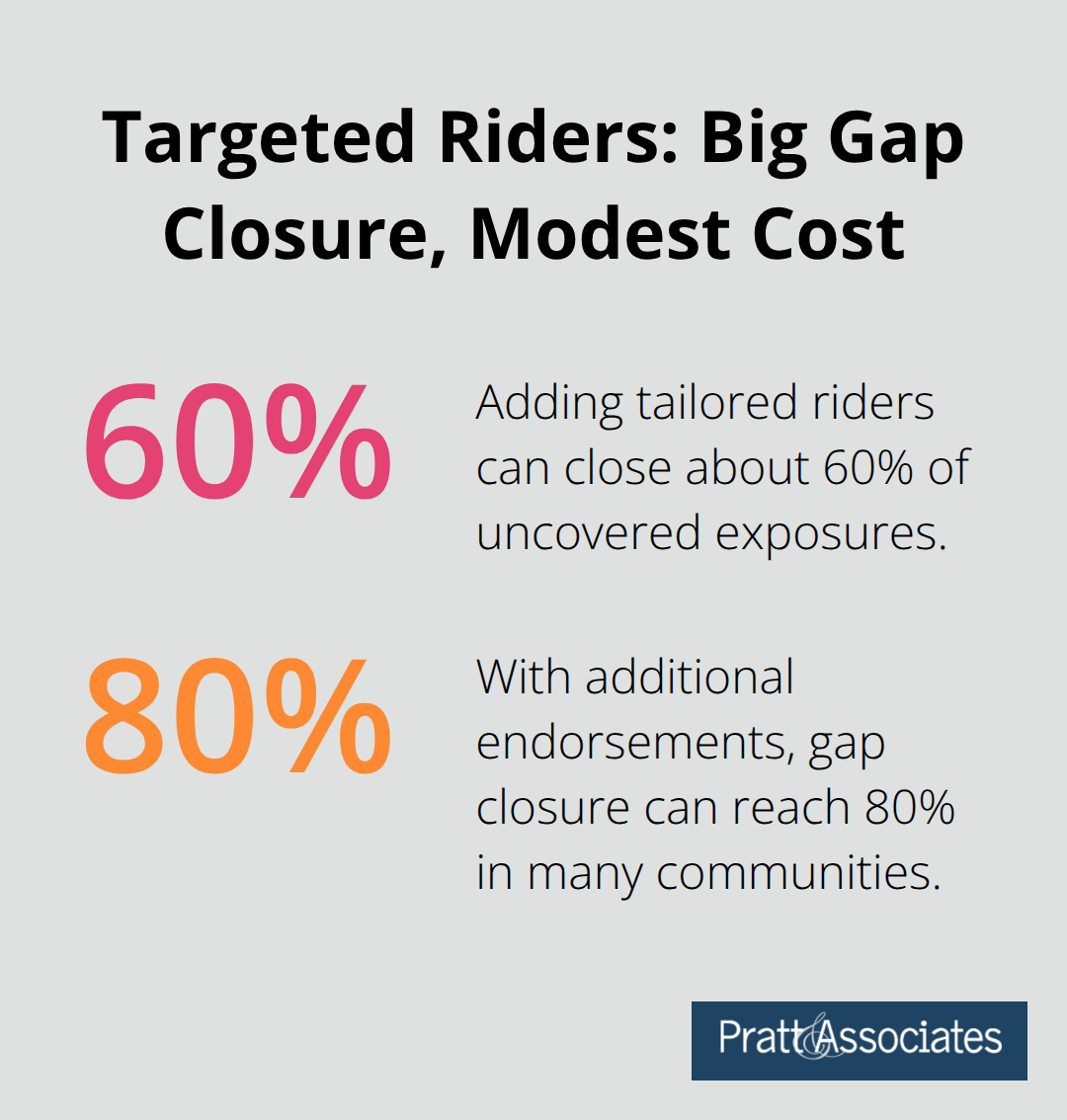
Request your broker provide a written list of three additional riders or endorsements tailored to your community’s specific exposure, along with the premium cost for each. This list should address your actual risks, not generic add-ons. Most boards find that adding two or three targeted riders costs 5 to 10 percent more in annual premium but closes 60 to 80 percent of the coverage gaps that create financial exposure during claims.
Once you have updated your liability limits, matched your property coverage to current replacement costs, and added specific riders for your community’s unique risks, your board should schedule a formal review meeting with your broker and legal counsel to document the changes made and the rationale behind them.
Final Thoughts
Coverage gaps in your HOA insurance create real financial consequences that extend far beyond premium costs. When insurance claims arise, boards discover too late that liability limits set years ago no longer match community exposure, that property coverage excludes critical structures, or that special assessment disputes fall outside policy protection. These gaps force associations to absorb losses through special assessments, depleted reserves, or legal battles that drain both money and board member energy.
Start by finding a broker with genuine HOA experience who can translate policy language into actionable information about your actual protection. Update your property valuation and match your coverage limits to current replacement costs, accounting for the construction inflation that has steadily increased building expenses over the past decade. Add targeted riders for amenities and risks specific to your community rather than accepting generic coverage that leaves gaps.
Your board’s responsibility includes protecting community assets and residents from foreseeable risks. Outdated insurance policies fail that responsibility because they were designed for conditions that no longer exist. For guidance on how insurance decisions intersect with HOA governance and legal obligations, contact Pratt & Associates to discuss your community’s specific situation.